
In competitive poker, developing strong observation skills can dramatically improve your overall performance. Understanding how opponents think and react gives you a valuable edge in live environments. Mastering 德州扑克技巧 can significantly enhance your understanding of player behavior, especially in live tournament environments where physical presence adds extra layers of information. By combining logical thinking with careful observation, players can make more confident and profitable decisions over time.
Observing Physical Behavior
In live tournaments, opponents often reveal valuable information through body language and physical behavior. Small gestures such as eye movement, posture changes, or chip handling patterns can provide meaningful insights into their confidence levels. Skilled players learn to notice these patterns without becoming obvious themselves.
Players who practice consistent observation often find themselves making more accurate reads over time. The key is not to focus on one signal alone but to combine multiple behavioral cues for a clearer picture. This balanced approach reduces mistakes and increases long-term success in live tournament play.
Betting Patterns and Timing
Betting behavior is one of the strongest indicators of an opponent’s strategy. The size, timing, and frequency of bets often reflect hand strength or uncertainty. Paying attention to these details helps you identify inconsistencies and adjust your strategy accordingly.
Many experienced players also learn to notice how opponents react after winning or losing a hand. These reactions can influence future betting behavior and provide clues about emotional stability. Understanding this cycle of response helps you anticipate actions more effectively.
Emotional Control Insights
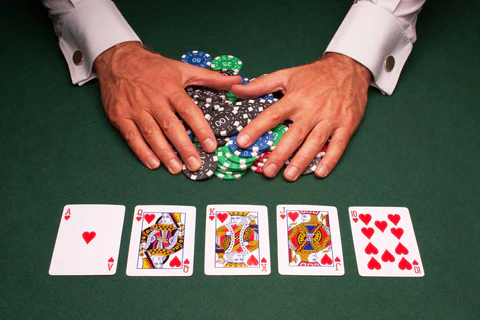
Emotional reactions in poker can reveal more than words ever could. Players who are frustrated, overly excited, or suddenly quiet often display predictable patterns. Recognizing these emotional shifts allows you to make better-informed decisions during critical moments.
Another important aspect is consistency in emotional patterns across multiple hands. Players who maintain calm behavior are often harder to read, while those who fluctuate frequently may reveal strategic weaknesses. Learning to separate genuine reactions from habitual behavior strengthens your decision-making ability.
Practical Tips for Better Reads
Here are some practical tips to improve your reading skills at the table:
- Watch how opponents handle chips when they are strong or weak.
- Notice changes in breathing or posture during important hands.
- Track how long players take before making decisions.
- Compare betting patterns across multiple rounds for consistency.
Practicing regularly in real game environments helps refine your observation skills naturally. Over time, your brain begins to process patterns faster, allowing you to make quicker and more confident reads under pressure. Consistency is the key to mastering live tournament awareness.
Building Long-Term Table Awareness
With continuous practice and attention, reading opponents becomes a natural part of your poker strategy. Over time, these skills help you gain an edge in competitive environments and enjoy more successful outcomes at the table.